


US imposes 100% tariffs on semiconductor imports, with some exceptions

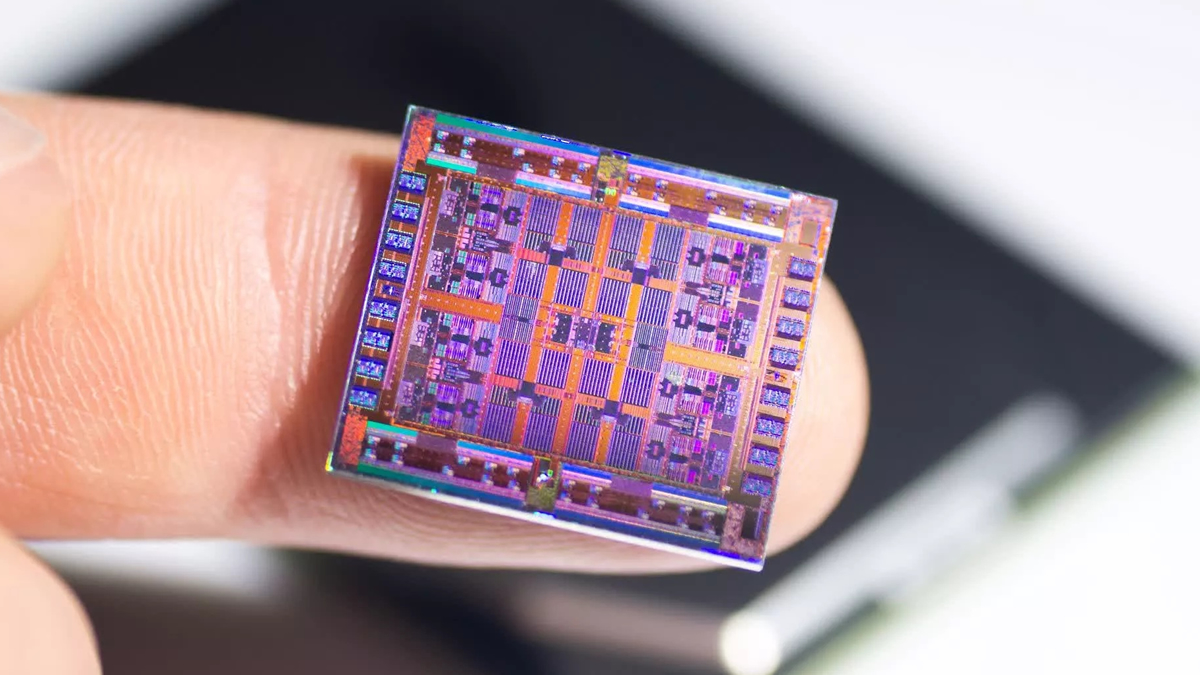
US to make tariff exceptions for companies “building in the United States”
Donald Trump, the President of the United States (US), has announced that his administration would impose 100% tariffs on all semiconductor imports. With this move, the US wants to force semiconductor manufacturers to move production to the US. Tariff exemptions will be given to companies that are “building in the United States.”
Currently, it is unclear how much domestic manufacturing will be required to avoid Trump’s tariffs. TSMC is already exempt from these new tariffs, as are Samsung and SK Hynix. However, given how frequently the Trump administration changes its tariff plans, it is unclear how these changes will impact the semiconductor market and the PC industry as a whole. Will these exemptions stay, or will they change as the mood within the Trump administration shifts?
As always, “the devil is in the details.” Currently, there is no clear framework for how these tariffs will work. Will it impact motherboard prices? What about products that are built overseas? If TSMC are exempt, would all products that use TSMC chips be exempt? How much US investment is enough to become exempt? How many smaller, but still vital, semiconductor companies will be hit with these tariffs? Will this cause the price of PCs and tech to soar?
Which chipmakers make motherboard chipsets? Who makes their VRMs, capacitors, controllers, and other components? Will those parts be hit by tariffs? If so, how will this impact PC and component pricing? Furthermore, will it matter if parts are assembled in Taiwan? After all, that’s where a lot of electronics manufacturing takes place?
An uncertain future for the tech industry
Tech stocks have been fluctuating wildly since the unveiling of these tariffs. The impact of these tariffs is uncertain. Furthermore, it is unclear how these tariffs will impact semiconductor tool manufacturers, who will be vital if the US wants to encourage domestic manufacturing.
Ironically, these new tariffs would be a non-starter without the Biden Administration’s CHIPS Act. This act brought some semiconductor manufacturing to the US. If the Biden Administration didn’t bring Samsung and TSMC fabs to the US, the Trump administration wouldn’t be in a position to strongarm companies with these huge tariffs. Trump may have called the CHIPS Act a “waste of money”, but it achieved much of what Trump wants to accelerate with his tariffs. All in all, Trump’s new tariffs aim to accelerate a trend that started with the CHIPS Act. Will Trump’s plan succeed?
You can join the discussion on the US’s semiconductor tariffs on the OC3D Forums.