


Cooler Master V8 ACE 3DHP CPU Cooler Review

Meet the Cooler Master V8 Ace 3DHP
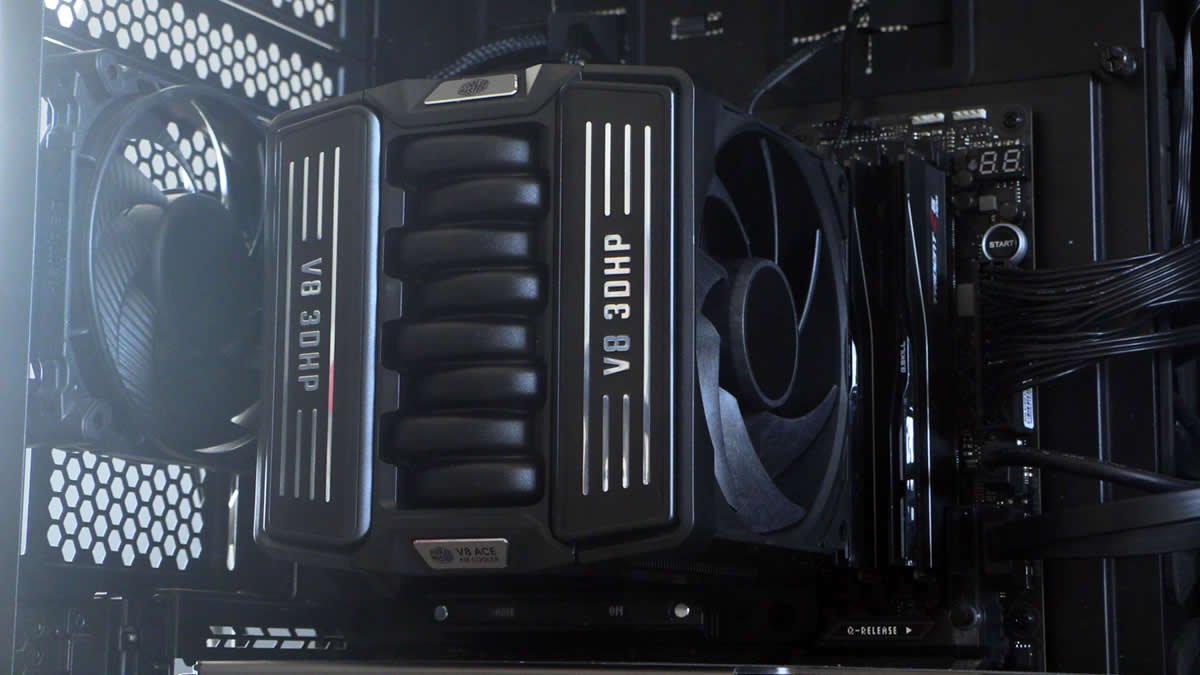
Cooler Master’s taking single-tower CPU cooling to the next level with its new V8 ACE 3DHP CPU cooler
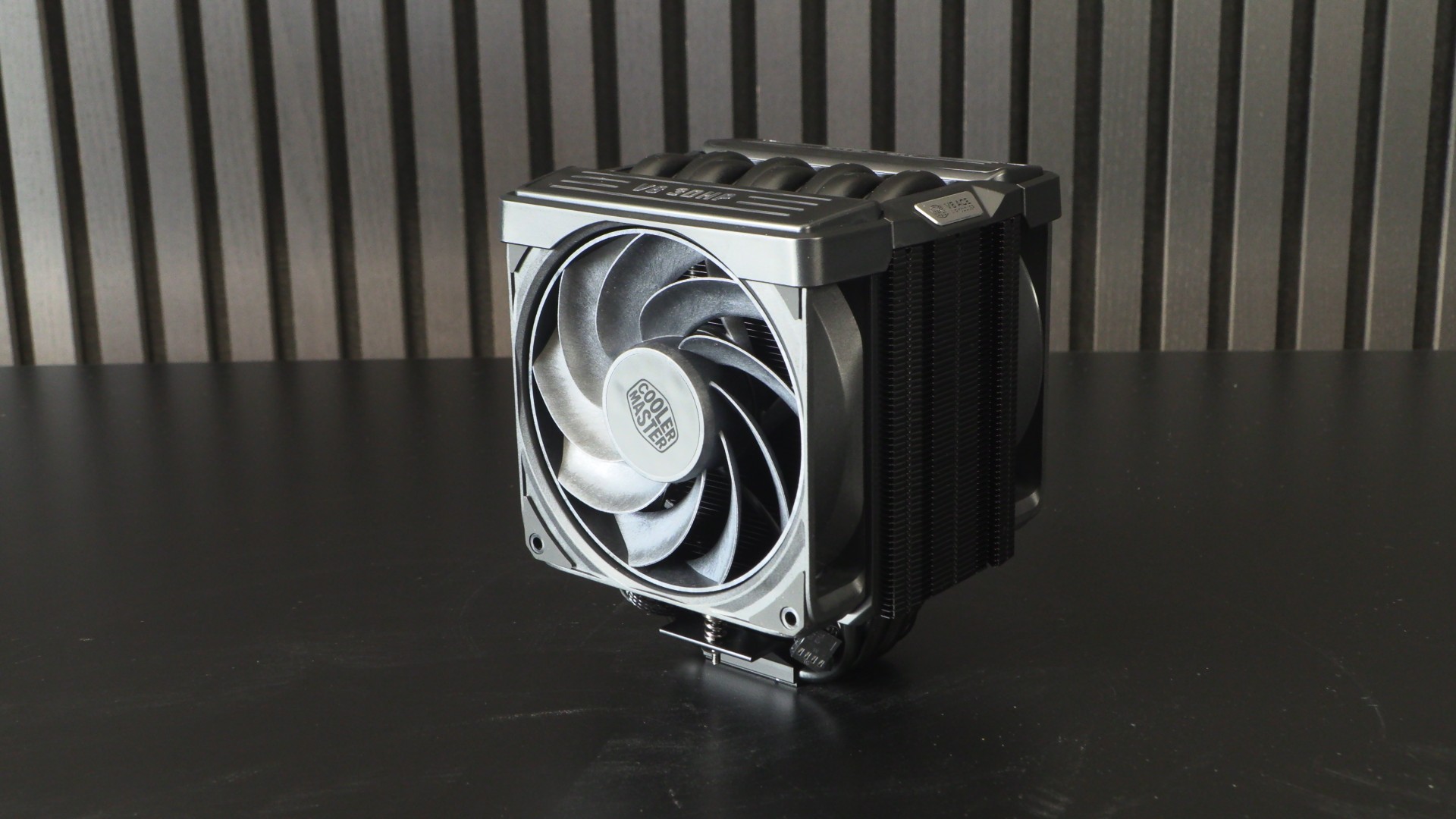
Cooler Master is aiming for the high end of the CPU cooling market with its new V8 ACE 3DHP CPU cooler, using its 3D Heatpipe (3DHP) technology to create a high-end CPU cooler that’s smaller than its competitors and only needs a single tower.
The V8 ACE 3DHP targets coolers like Noctua’s NH-D15 G2, promising strong cooling, a smaller form factor, and a much lower price tag. Sadly, we have not reviewed Noctua’s NH-D15 G2, though we will be comparing this cooler with other modern CPU air coolers. Will it sit amongst the best? It’s time to find out!
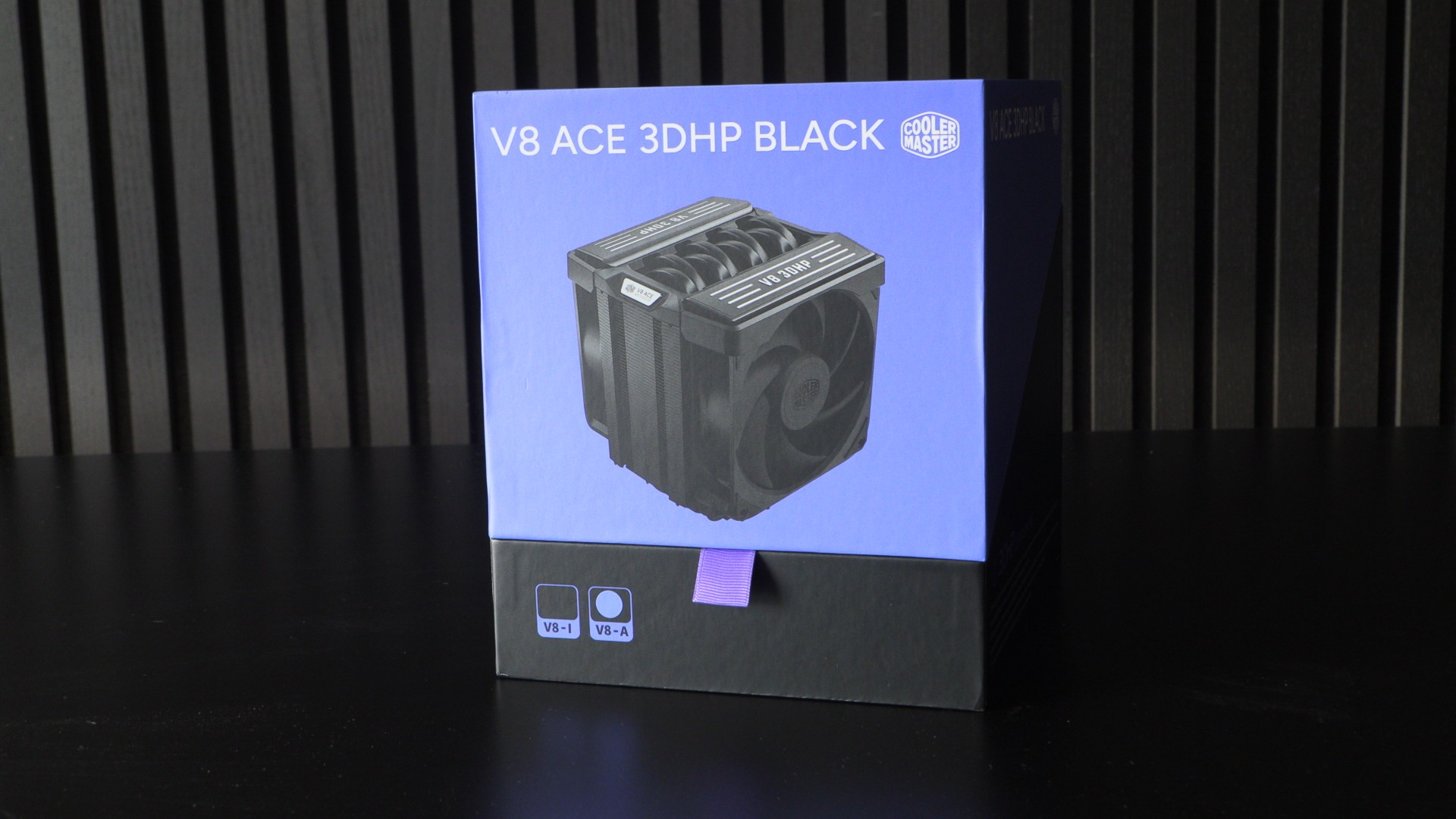
Premium Packaging
Opening the box of the V8 Ace 3DHP is a premium experience. The cooler sits inside a purpose-built foam support, and the box opens with the simple pull of a tab. In some ways, it feels like opening an Nvidia Founders Edition GPU. Clearly, Cooler Master wants users to have a good unboxing experience.
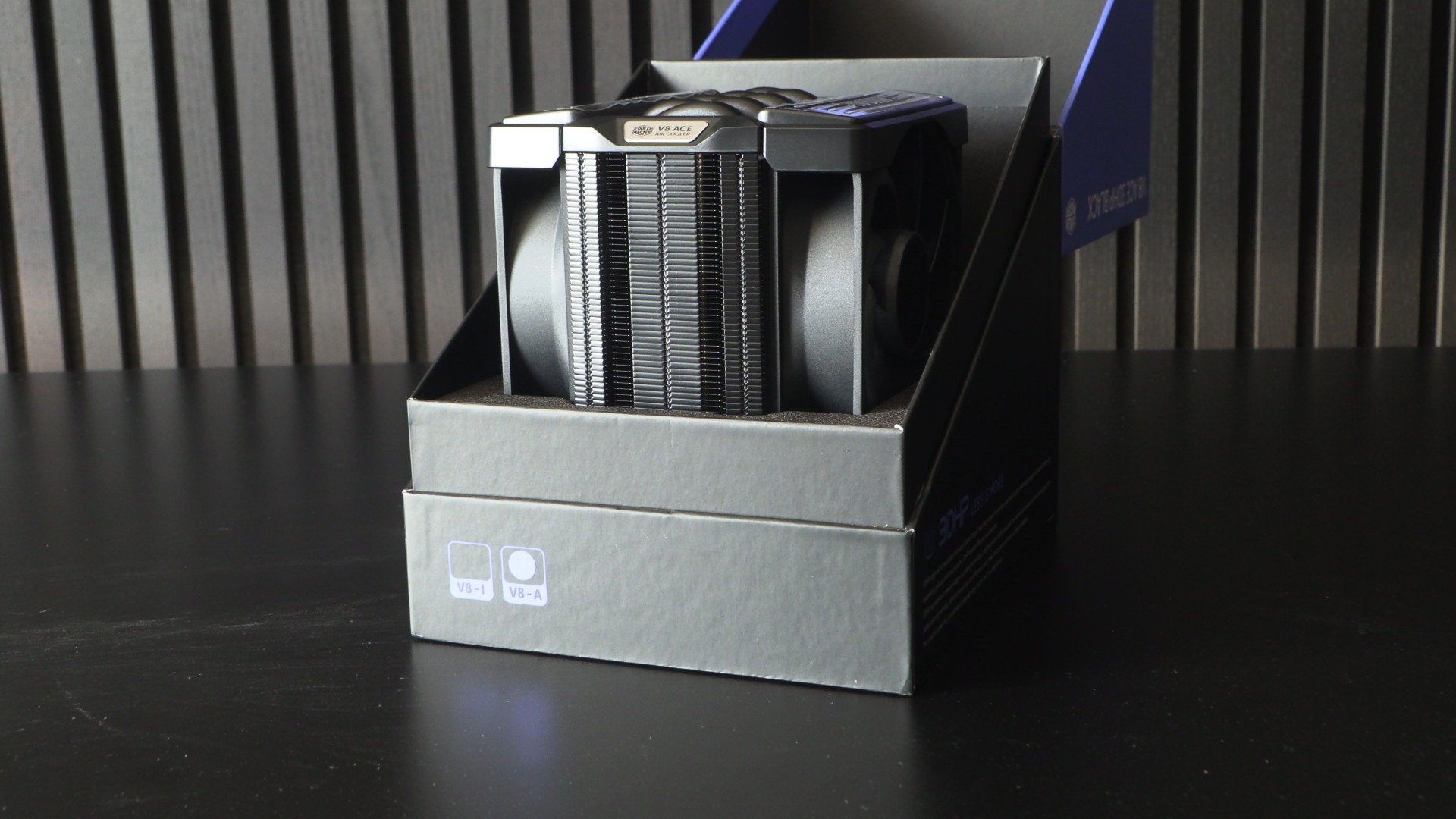
A V8 with six “real” heatpipes
Cooler Master’s 3D Heatpipe (3DHP) technology allows Cooler Master to do more with less. A 3D heat pipe can do more work than a standard heatpipe. For this reason, the V8 name for this cooler does not signify the use of eight heatpipes. The V8 Ace 3DHP uses four traditional heatpipes and two 3D heat pipes (3DHP). Cooler Master is essentially claiming that their 3DHP heatpipes can do the work of two standard heatpipes.
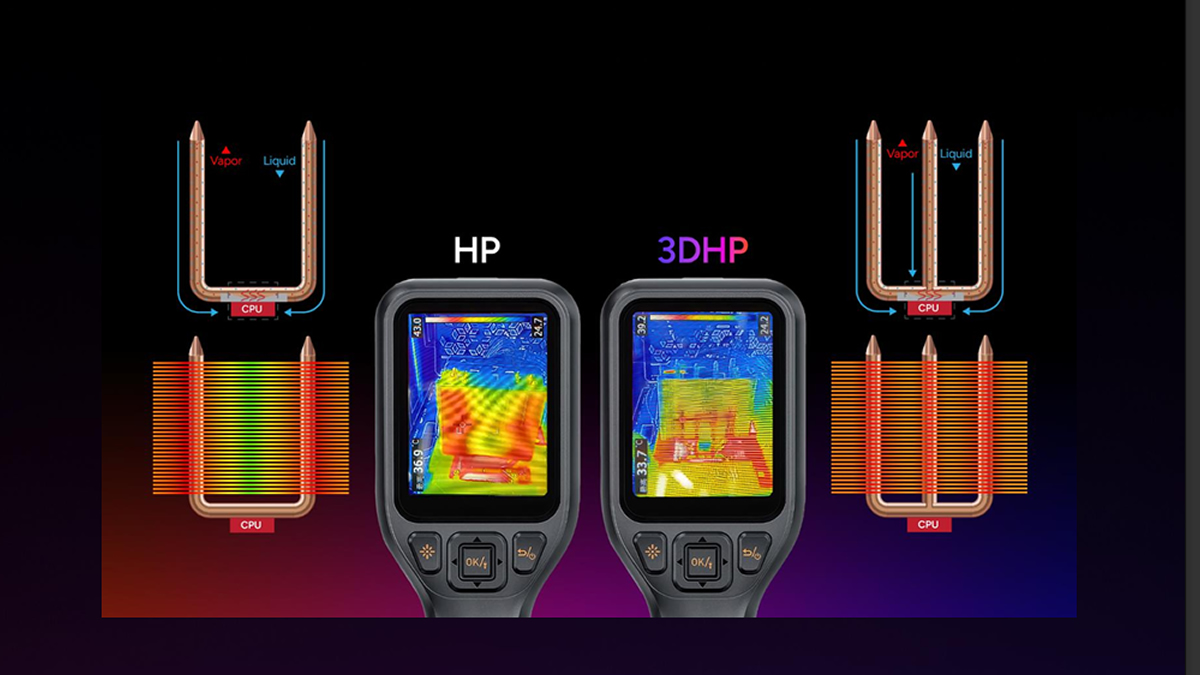
Cooler Master innovates with 3DHP tech
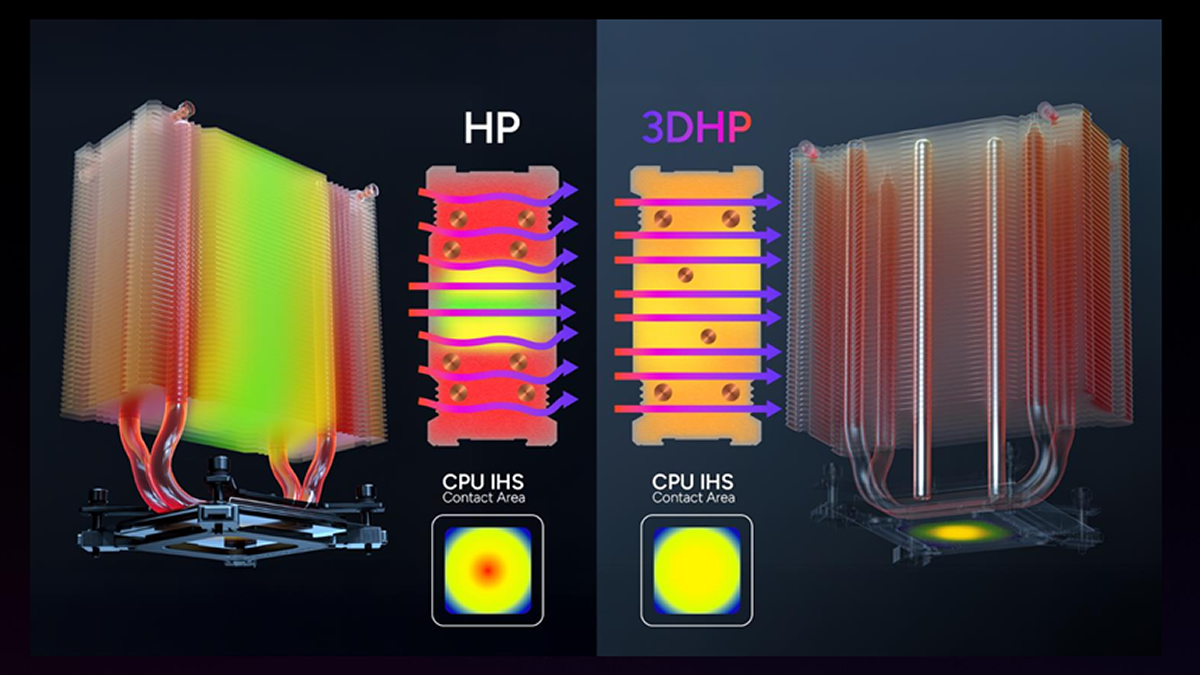
With its 3DHP tech, Cooler Master aims to solve some of the problems with traditional heatpipes. Traditional heatpipe designs can result in hot spots on a CPU cooler’s coldplate. With 3DHP designs, cooling is more even thanks to its extra prong. Instead of a U-shaped design, the extra prong on a 3DHP adds extra cooling near the centre of the heatpipe, resulting in more even thermals.
Cooler Master’s 3DHP tech made its debut with its V4 Alpha 3DHP Black CPU cooler. With their new heatpipes, Cooler Master did the work of four traditional heatpipes with two. With their new V8 ACE 3DHP cooler, it uses two 3DHP heatpipes with four traditional heatpipes to do the work of eight traditional heatpipes. Their cooler’s central heatpipes are 8mm 3D heat pipes, enabling stronger overall cooling performance.
Cooler Master claims that this V8 ACE 3DHP can compete with Noctua’s NH-D15 G2 with a smaller overall design and a single fin stack. That’s the power of their 3DHP tech.
AMD VS Intel – The Cooler Master V8 ACE 3DHP has two versions
With the V8 Ace 3DHP, Cooler Master has created dedicated AMD and Intel versions of their CPU coolers. Standard “one-size-fits-all” designs leave performance on the table by not considering specific aspects of modern CPUs. With their V8 ACE 3DHP CPU cooler, Cooler Master has tuned specific versions of their cooler for AMD and Intel processors. This tuning involved chemical and mechanical elements.
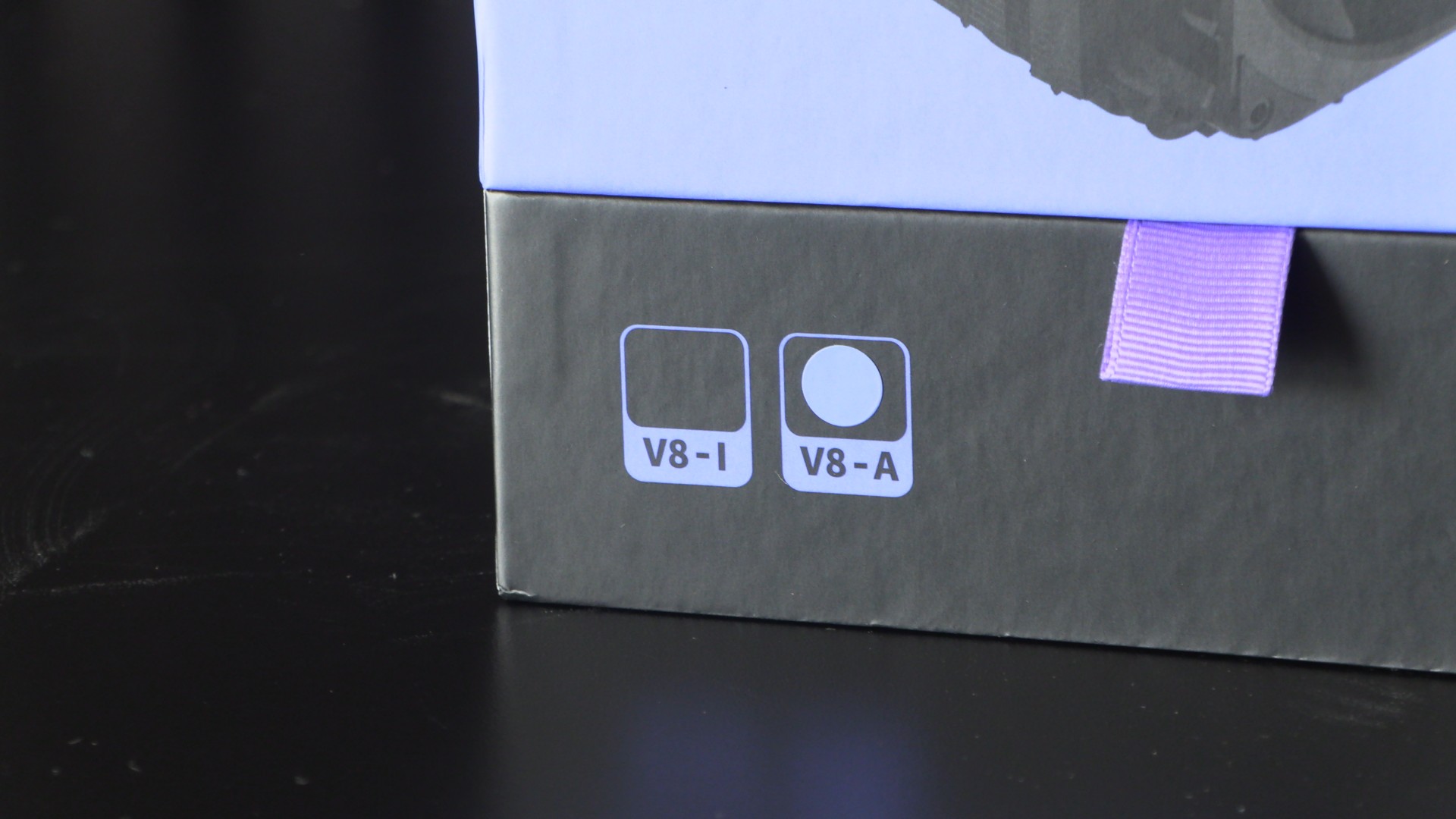
Cooler Master has chemically optimised its Intel and AMD models to best suit their specific processors. This means that their heatpipes are optimised to work better at specific Q-Max values, matching the specifications of Intel and AMD CPUs.
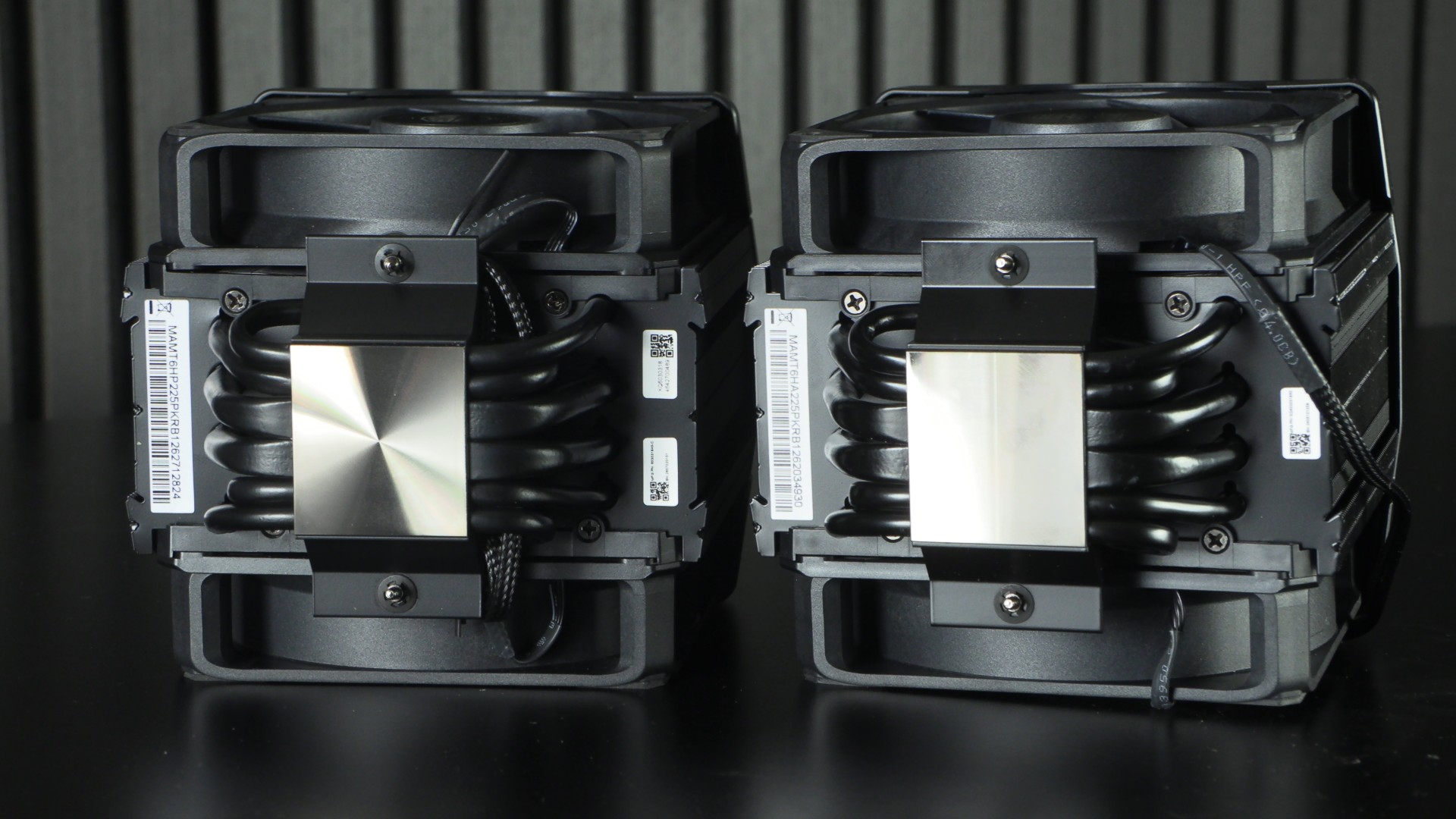
Mechanically, Cooler Master has optimised the shape of their CPU cooler base plates for AMD and Intel CPUs. The AMD version uses a flat surface, whereas the Intel model has a convex baseplate. This matches the characteristics of AMD/Intel CPUs, enabling optimal CPU-to-cooler contact.
Without this convex base, the V8 Ace 3DHP would not achieve maximum contact with the centre of Intel CPUs. This would deliver sub-optimal cooling results. We tested both versions of the V8 Ace 3DHP to see the difference for ourselves. Note below that the two coolers have different-looking base plates. While both appear flat (visually), there is a slight difference.
Premium fans
With Cooler Master’s V8 ACE 3DHP CPU cooler comes two 120x30mm fans. These new fans use Liquid Crystal Polymer (LCP) blades and Loop Dynamic bearings. These fans are designed to maintain low noise levels while delivering longevity and strong performance levels. With LCP materials, this fan’s blades are 2x stronger than standard fan blades, making them more rigid when running at high RPMs. This allows Cooler Master to reduce their blade-to-frame fan clearance, minimising air leakage while maximising performance.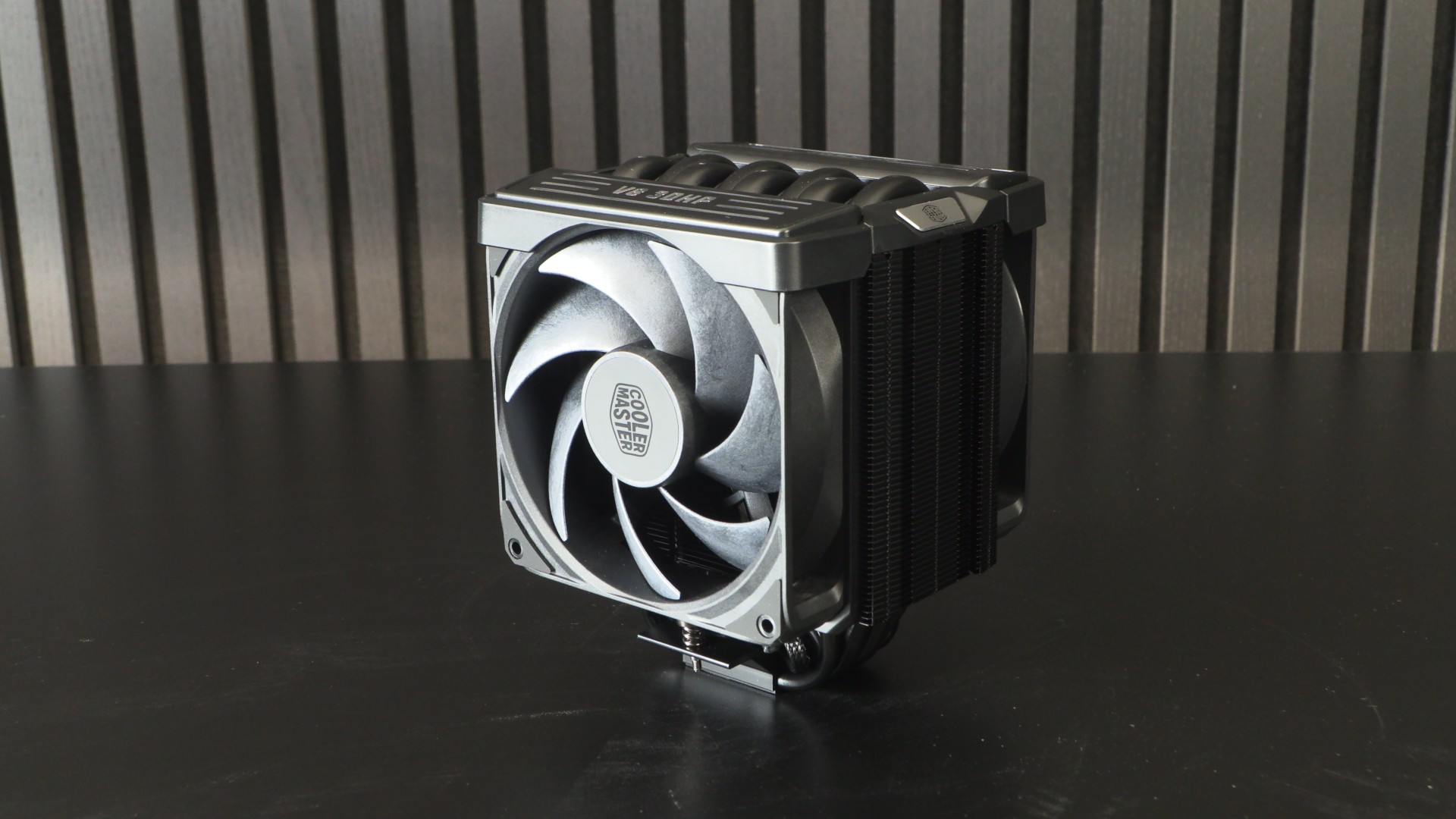
The front and back fans for this cooler feature different designs. The front fan uses a standard blade design and operates at up to 2500 RPM. The rear fan maxes out at 2050 RPM and uses a ring-blade design. Note that the rear fan also uses a reverse-blade fan design, improving its aesthetics. This alteration in speed and fan design maximises cooling performance and minimises resonance noise.
OC3D CPU Cooler Test Rig Specifications
Last year, we built a new PC for CPU cooler testing. This new PC has a newer, hotter-running CPU, a more power-hungry graphics card, and a cooling layout that is common for today’s gaming PCs. Simply put, we have moved to more modern hardware so that we can better test modern CPU cooling solutions.
Note that we add an extra top-mounted 120mm fan at the top/rear of the case when testing air-based CPU coolers.
CPU: Intel i5-14600K @1.27V (Fixed)
Motherboard: ASUS ROG Strix Z790-E Gaming WIFI
Case: Custom Lian Li O11 EVO XL
Memory: G.Skill Trident Z5 Neo DDR5-6000 32GB (2x16GB)
GPU: Sapphire RX 7900 GRE Nitro+
PSU: be quiet Dark Power 1,000W
Fans: 4x be quiet Silent Wings 4 fans