


AMD FSR 4 Redstone Tested – Call of Duty: Black Ops 7

FSR Redstone comes to Black Ops 7
Call of Duty: Black Ops 7 is AMD’s first FSR “Redstone” game
It’s official, Call of Duty: Black Ops 7 is the first game that supports AMD’s FSR “Redstone” technology. At launch, the game supports FSR 4 AI upscaling and a new technology called “Ray Regeneration”, which promises to increase the fidelity of ray-traced effects.
Today, we will be testing AMD’s AI technologies to assess their performance and visual impact on Call of Duty: Black Ops 7. How fast can Call of Duty run with FSR 4 enabled? Does ray reconstruction make this game’s ray tracing effects look better? It’s time to find out!
Available on AMD Radeon™ RX 9000 Series graphics cards, FSR ‘Redstone’ Ray Regeneration goes live tomorrow in Call of Duty: Black Ops 7.
Hear more from @JackMHuynh, SVP and GM, Computing and Graphics Group at AMD. pic.twitter.com/1hKjYmAubB
— AMD Gaming (@AMDGaming) November 13, 2025
OC3D Gaming Test Rig Upgrades
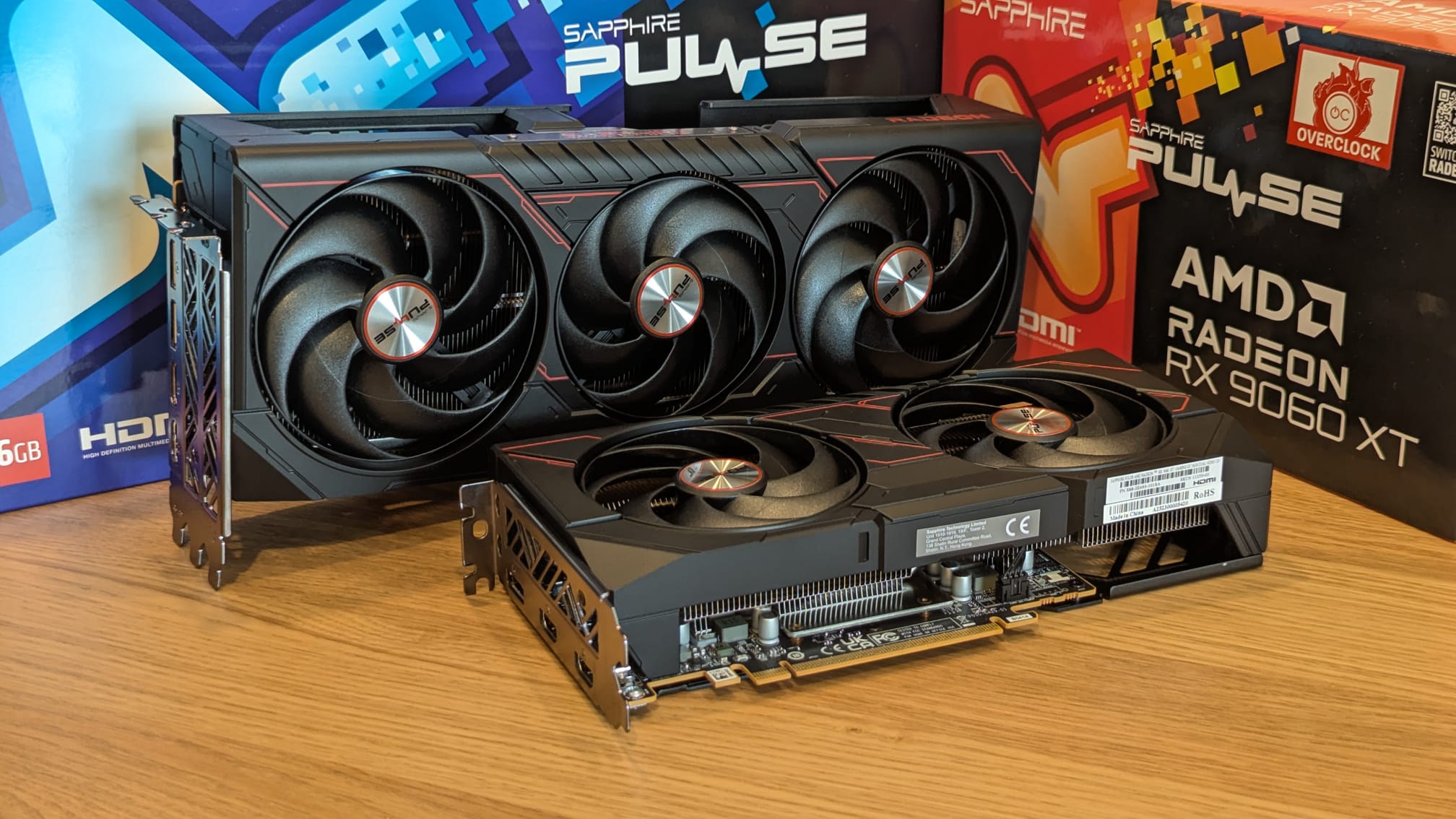
Thanks to Sapphire, we have been able to upgrade our gaming test suite with some AMD RDNA 4 graphics cards. For today’s analysis, we will be using Sapphire’s Radeon RX 9070 XT Pulse and RX 9060 XT Pulse (16GB) graphics cards. Both of these GPUs support AMD’s FSR 4 upscaler in Call of Duty: Black Ops 7.
With AMD’s latest drivers, FSR 4 can now be enabled in most DirectX 12 games that support FSR 3.1 (or newer). Call of Duty: Black Ops 7 has FSR 4 directly integrated into the game, which means that this game doesn’t need AMD’s FSR 4 update feature to enable FSR 4.
GPU pricing
For anyone interested in Sapphire’s new Pulse series GPUs, here are some links to them at UK retailers. As always, GPU pricing can change rapidly due to fluctuations in supply and demand. At the time of writing, Sapphire’s Radeon RX 9070 XT Pulse is available for £559.99 at Overclockers UK, which is below AMD’s MSRP for this graphics card.
Sapphire RX 9070 XT Pulse
Sapphire RX 9060 XT Pulse 16GB
AMD FSR “Redstone” – Ray Regeneration
AMD’s FSR “Redstone” ray regeneration technology uses a neural network to “regenerate pixels” that could not be accurately path traced/ray traced. It replaces traditional filters and denoisers for ray-traced effects, creating more detailed and accurate ray-traced effects without increasing the number of rays cast. In other words, it can enhance graphical fidelity with a minimal performance cost.
In Call of Duty: Black Ops 7, it is noted that ray regeneration works best in conjunction with AMD’s FSR 4 upscaler. This suggests that both features can work together to give optimal visual results and performance levels. We will test this theory later.
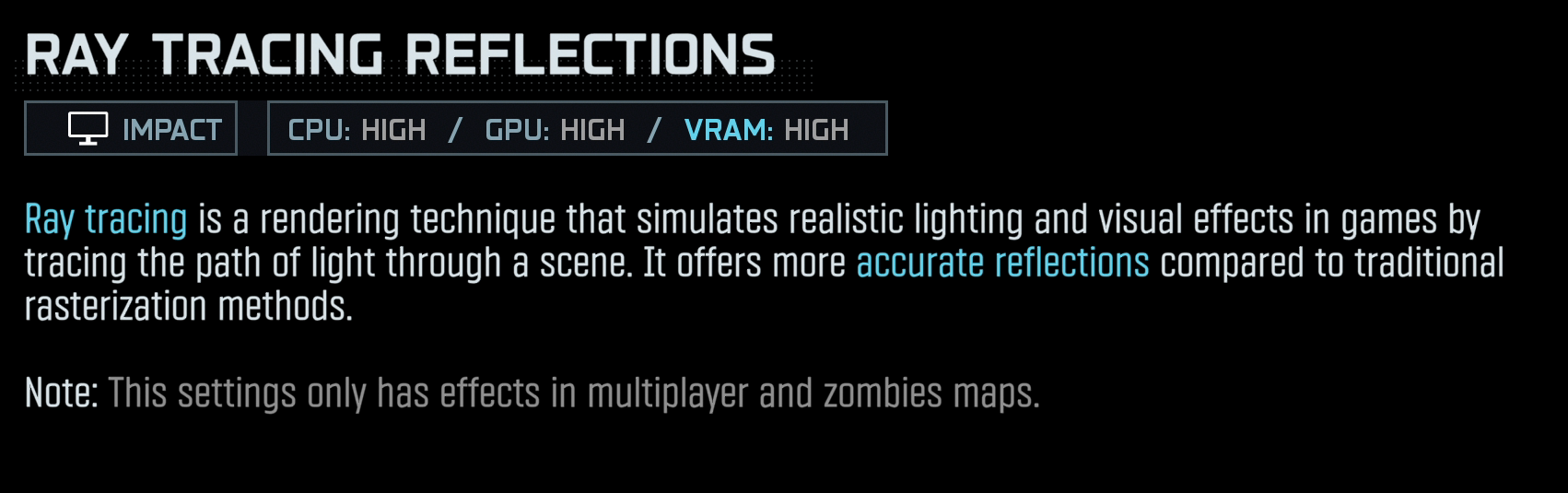
Note that ray-traced reflections are only available in Call of Duty: Black Ops 7 in the game’s multiplayer and zombies modes. Ray tracing is unavailable within this game’s co-op campaign.
System Specs
Below are the full specifications of our new GPU/Games testing system and links to all the components we used.
OC3D GPU/Games Test System Specifications (Affiliate Links below)
CPU – Intel i9-13900K
Cooling – Corsair iCUE H150i Elite CAPELLIX XT
Motherboard – ASUS ROG Strix Z790-F Gaming WiFi
Memory – Corsair Vengeance 2x16GB (32GB) DDR5-6000 CL36 Memory
Storage – Corsair MP600 PRO NH 2TB PCIe 4.0 SSD
Case – Corsair iCUE 5000T RGB
Power Supply – Corsair HX1500i
OS – Windows 11