

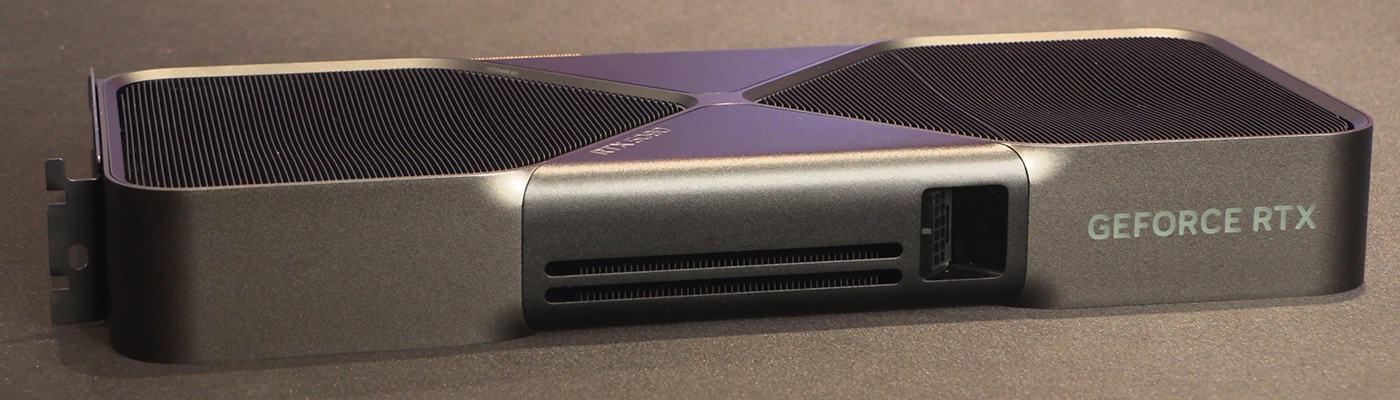
Nvidia RTX 5090 Founders Edition Review

Introduction and Technical Specifications
Introduction
Blackwell is here. Such has been the incredible performance available on the Ada Lovelace 4000 series Nvidia cards, it only feels like it just hit the market. In actuality it was launched over two years ago. Time for something new then.
Nvidia certainly think so. They have been beavering away working on a whole host of new technologies. If previous cards have been about adding raw horsepower, the Nvidia Blackwell range is about leveraging AI solutions. These cater to gamers with Reflex 2 for lower latency, DLSS4 for sharper images and Multi Frame Generation for sky-high frame rates. These we’ll cover in a moment.
AI Elements
Should you be in the development world you’ll enjoy RTX Neural Shaders for real time digital faces and new ray-traced hair and skin solutions. Potentially changing how games work is Nvidia’s Ace technology which brings autonomous NPCs to games, something which will either be stunning like the best hand-crafted characters, or the NPC equivalent of procedurally generated levels. Things that are very interesting, but probably above the remit of an end-user review. It could very well be that today is the day the future humans will look back on as the moment you lost the ability to tell between real and generated. Once we get past the ‘Princess Bride’ AI problem of six-fingered people.
Lastly if you’re a streamer the Nvidia Broadcast application has improved the Studio Voice audio and introduced a Virtual Key Light so you always look your best. When you add this to the revised NVENC and NVDEC version, there has never been an easier time to share your face with the world.
Let us not pretend otherwise though. Whilst we might enjoy the extra elements the RTX 5090 is bringing to the party, we’re here for the gaming prowess.
Technical Specifications
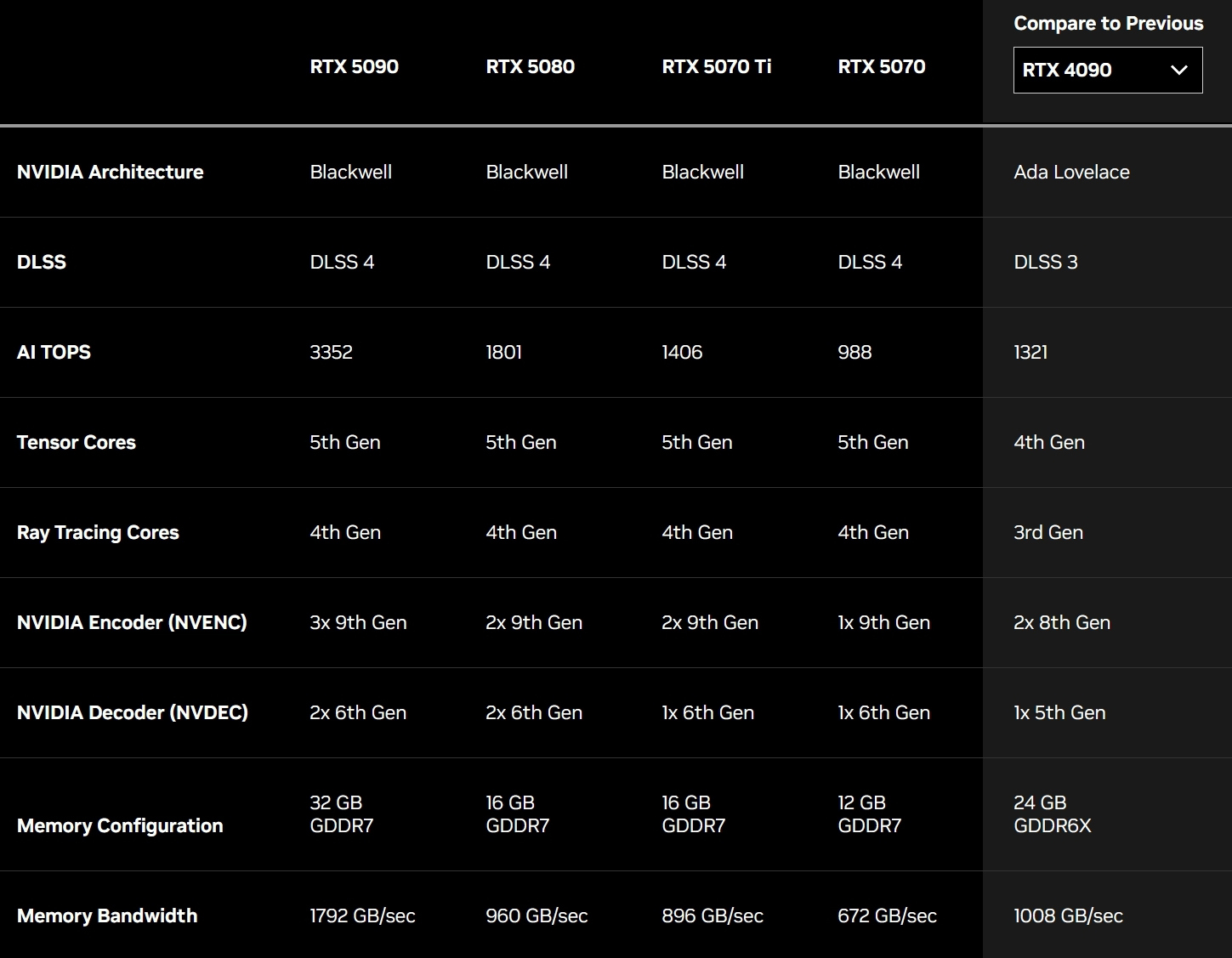
Nvidia are being somewhat coy about the actual numbers of each core. However, given that each generation is significantly more powerful than the one before, it makes sense. Chiefly we just care about how quick it is. After all, the RTX 4090 has a Pixel fill rate of 459 GP and a 3562 GT texture rate. The Nvidia RTX 5090 pushes 423 and 1636 respectively. We know – because we’ve already tested it – that the RTX 5090 FE makes a mockery of those numbers. The next generation of cores make the difference.