


The Elder Scrolls IV: Oblivion Remastered PC Performance Review and Optimisation Guide

Conclusion
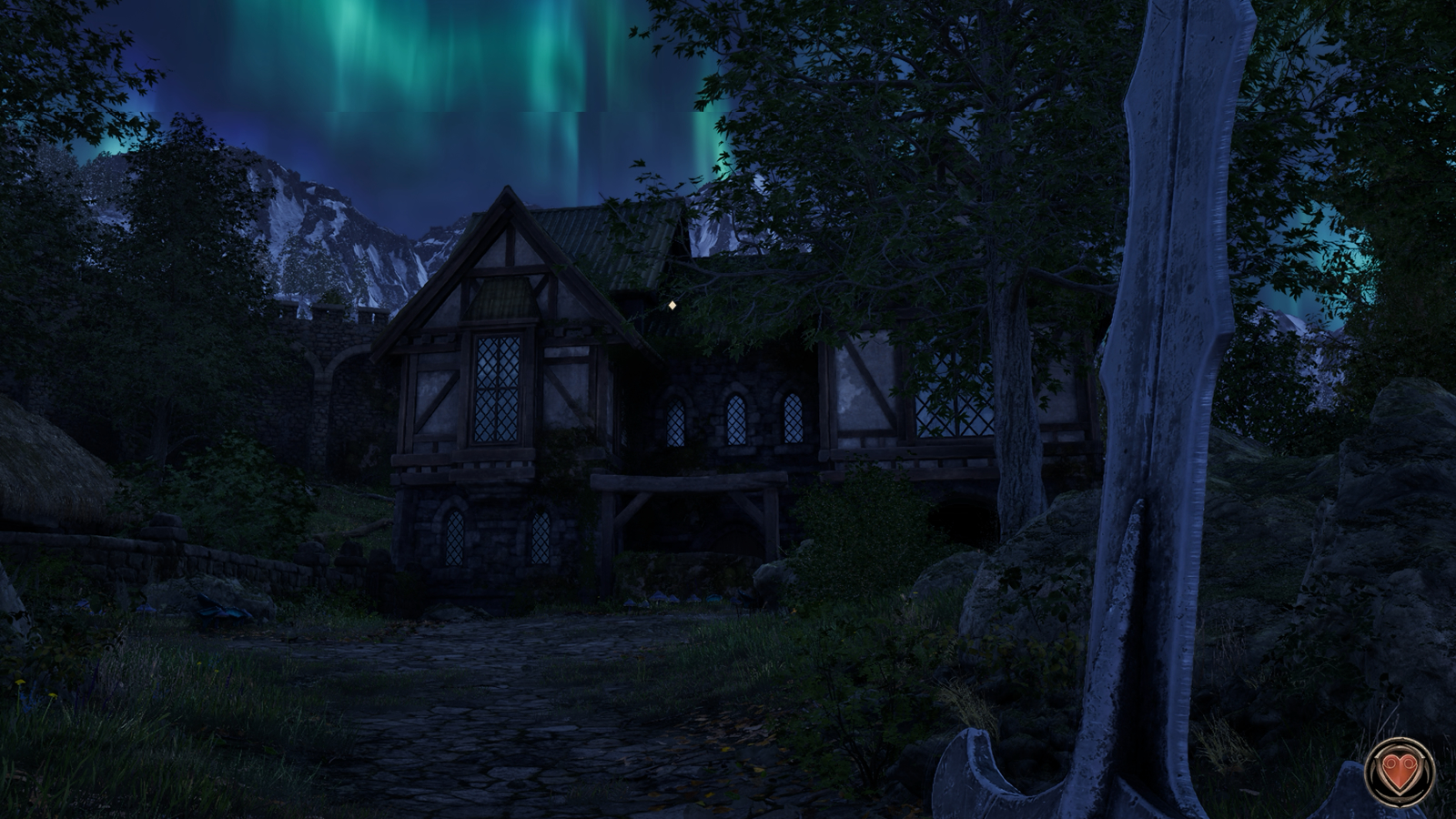
Oblivion Remastered is awesome, but it is incredibly demanding
The Elder Scrolls: Oblivion is a fantastic game, and this remaster does a great job updating this classic while retaining the original’s charm. Yes, Oblivion still has its quirks, but those quirks make the game special, and a remaster or remake without them would be lesser for it.
After spending a lot of time playing Oblivion Remastered, I want to play more of it. Oblivion was a great RPG when it launched, and it remains a great RPG. With its new “Remastered” look, now is a great time to venture into Cyrodiil. That said, I have a few problems with this remastered version.
This remaster is incredibly hard to run on low-end PC hardware, and can have problems when running on GPUs with 8GB of VRAM. This was especially true for GPUs like AMD’s RX 6600 and RX 6600 XT. While 8GB GPUs running into issues playing modern games isn’t a new problem, it is something that this game’s developers should have considered more. This game can run on an Xbox Series S, a system with 10GB of combined (CPU + GPU) console memory. With this in mind, we feel that this game’s PC version should have settings that are better suited to 8GB GPUs. As it stands, 8GB GPU users can suffer from more frequent stutters, and for some, this game will be almost unplayable. Hopefully Oblivion Remastered will be patched to better support gamers who are less VRAM-rich.
Why is Frame Generation locked to specific upscalers?
Another thing that I would like to see is Frame Generation support being unlocked for all upscaling and anti-aliasing options. Right now, DLSS Frame Generation requires DLSS or DLAA to be used. For FSR Frame Generation, FSR AA or FSR Upscaling must be used. This is an unnecessary requirement, and gamers should have the option to mix and match their preferred upscaling and frame generation solutions.
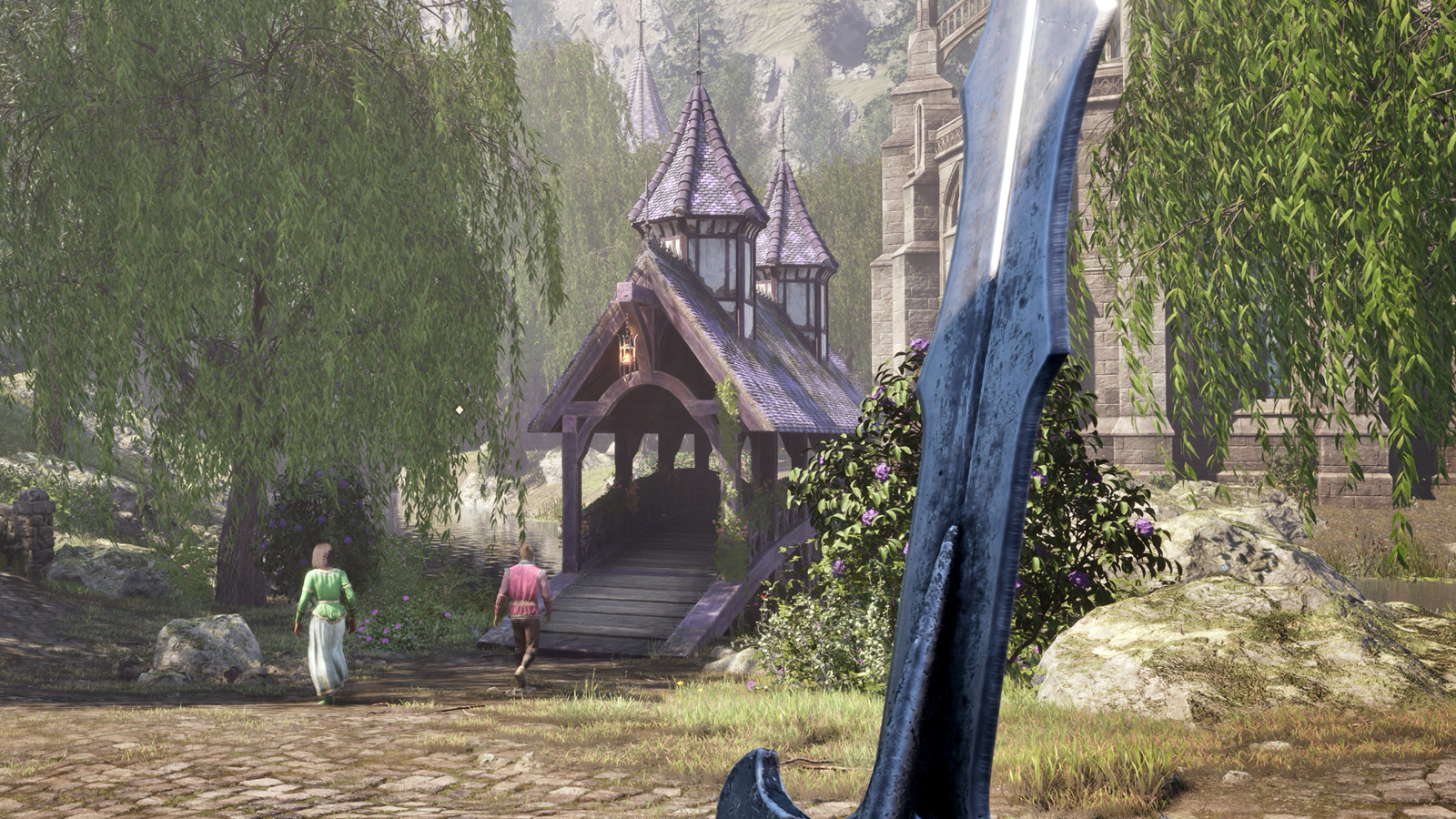
Avoid Ultra settings (unless you have an overpowered graphics card)
If you are the type of PC gamer who sets everything to Ultra and expects a game to run smoothly, Oblivion Remastered will disappoint you. Ultra settings in the game will place a tremendous strain on your hardware. That’s why most of our testing was conducted using this game’s high preset. Ultra settings are simply not worth their performance cost. However, a mix of High and Ultra settings may be a good option for some players.
If you max this game out, Oblivion will bring most gaming PCs to their knees. With the right settings, this game will run well on most modern systems (if your GPU has plenty of VRAM). Just avoid Ultra settings, and don’t be afraid of a little upscaling.
Honestly, I’m loving this remake. However, I feel that it is a few patches away from greatness. I feel like memory usage could be optimised on PC. If this game can run on an Xbox Series S, why is it struggling on many 8GB GPUS? While the game looks great, I also feel that it is a little more demanding than it should be. This game is hard on hardware, and you may have trouble if your PC is on the old side. Regardless, this is an excellent remake, and it’s a joy to revisit Cyrodiil in its Remastered glory.
You can join the discussion on The Elder Scrolls IV: Oblivion Remastered’s PC version on the OC3D Forums.